
Reviewed · TE PUIA AND MAORI CULTURAL TOURS
Māori Cultural Experience & Auckland Museum General Admission
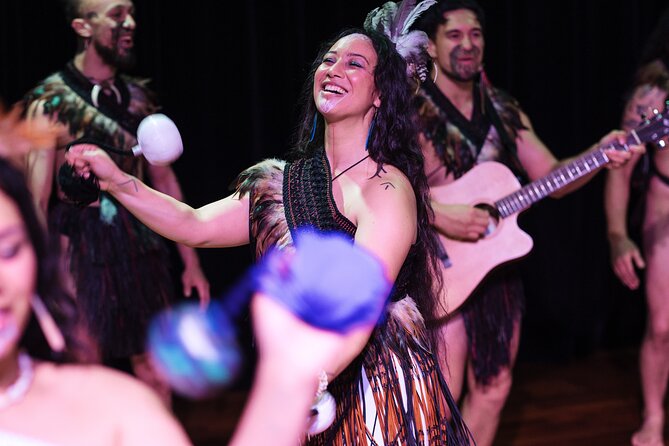
The most memorable part of this Auckland experience is the live Māori presentation, where song, movement, storytelling, and the haka explain culture rather than simply display it. You’ll hear waiata, watch skilled poi work, and learn why the haka is more than a war dance: it is a ritual of strength, unity, and identity. The performance gives context to what you see, while museum admission lets you continue learning afterward.
I especially like two things here. First, the artists explain the meaning behind gestures, music, and cultural objects, so you are not left guessing. Second, the ticket combines the performance with Auckland Museum, a smart pairing for your first day in the city. The main caution is expectation: the presentation may last about 30 minutes, and the haka can be abbreviated rather than a long stage spectacle.
Key points to know before booking
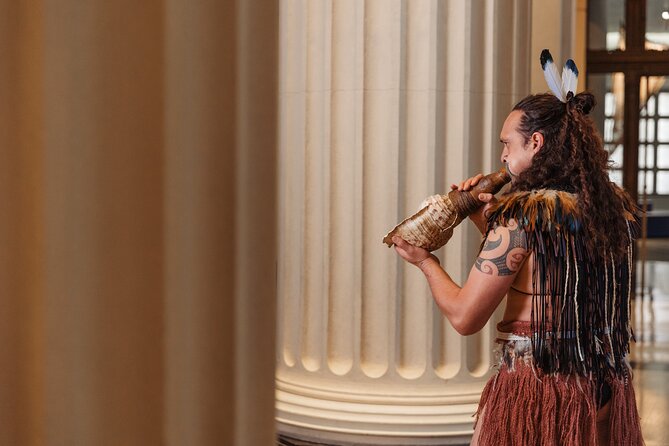
- A live introduction to Māori culture: Expect waiata, poi, storytelling, dance, and an explanation of haka traditions.
- Museum entry is included: You can explore natural history, New Zealand heritage, and other general galleries after the presentation.
- Plan for 45 minutes to 3 hours: The performance itself is shorter, while the museum can fill several hours.
- The haka may be brief: The experience explains its meaning, but some sessions include only an abbreviated haka.
- Some galleries are closed: The Māori Court and Pacific Galleries are temporarily shut for essential maintenance.
- Good value at $38.48: It combines a cultural performance with general museum admission, but special exhibitions and guided tours cost extra.
A respectful first meeting with Māori culture
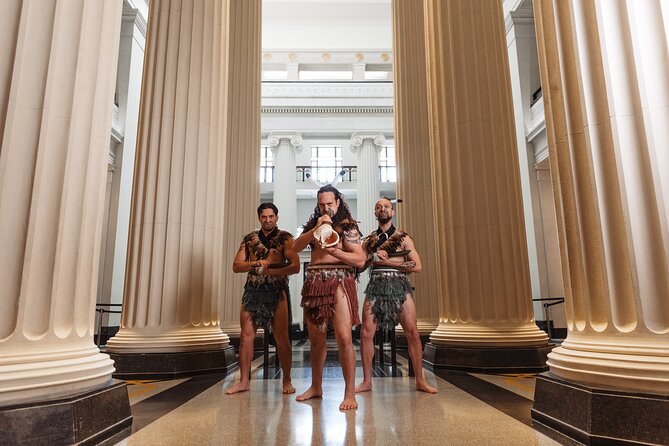
This experience begins at Auckland War Memorial Museum in Parnell, one of Auckland’s key cultural institutions. The setting matters. You are not watching a detached stage show in a hotel or tourist venue. The performance takes place at a museum devoted to New Zealand’s people, natural world, and past.
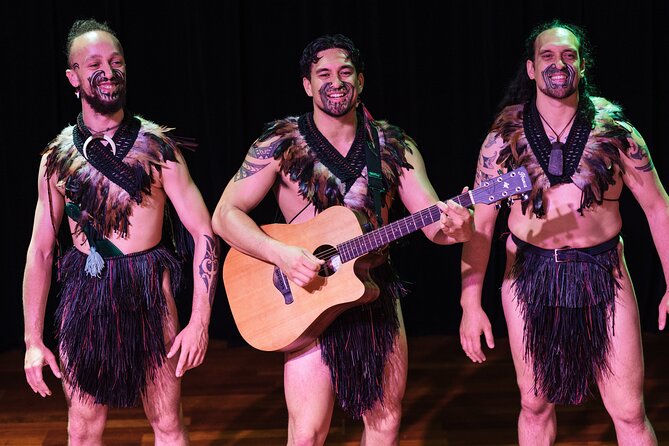
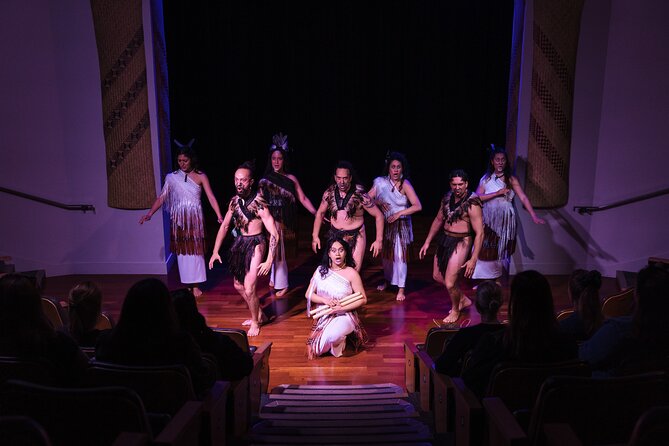
The artists and orators introduce Māori culture through several connected forms. You’ll hear waiata, or traditional songs. You’ll see poi used with quick, precise movements. You’ll watch dance and gestures that carry meaning, not just visual flair.
The presentation also explains Māori endurance through history and modern identity. That makes it useful for someone arriving in New Zealand with little background. You do not need prior knowledge to follow it, and you should not expect a full course in Māori history in less than an hour.
I like the way this format links performance to explanation. Without the spoken context, a poi sequence or haka can look impressive but remain hard to understand. Here, the artists give you a way to read the movement and recognize that these traditions are still part of Māori life.
More Maori cultural experiences:
- Waitomo Caves & Rotorua – Te Puia Small-Group Tour from Auckland
★ 4.5 · 681 reviews - Auckland: Waitomo Caves & Rotorua – Te Puia Small-Group Tour
★ 4.8 · 223 reviews - Hobbiton & Rotorua Small Group Tour including Te Puia from Auckland
★ 5.0 · 190 reviews
What the haka section really offers
The haka is likely the part you are most curious about. Popular culture often treats it as a fierce pregame challenge, but the presentation gives a wider picture. You learn about its origins, traditional uses, and different forms.
That distinction is important. The haka is a powerful ritual connected with strength, unity, identity, welcome, and other purposes. It is not one single routine with one fixed meaning.
You should set your expectations carefully. Some sessions have included a shortened haka, and a few visitors felt disappointed because they expected a longer or more forceful performance. The presentation’s goal is education and cultural welcome, not a theater-length haka showcase.
For me, that is a fair trade if you arrive wanting understanding rather than a quick photo opportunity. You may hear Māori words without an English translation for every song. The spoken explanation covers the ideas and movements, but not every lyric. If translated lyrics are essential to you, this may feel incomplete.
Waiata, poi, and storytelling in a short format
The strongest part of the performance is its variety. The waiata bring the presentation a calm, human quality. The singing has been described as beautiful and moving, and the voices carry much of the emotional weight.
Poi adds speed and visual precision. The implements are not simply props. The artists explain their use and meaning, helping you understand why the movement matters. That extra explanation turns a display of skill into a lesson in tradition.
Storytelling ties the sections together. You hear about beliefs, practices, and the Māori way of asserting identity in modern New Zealand. The narration is structured and welcoming, with enough detail to help you follow without turning the presentation into a lecture.
The timing is the catch. The advertised activity can run from roughly 45 minutes to three hours, but that range includes your museum visit. The live portion is commonly around 30 minutes, though the exact length can vary. If you want a long cultural show with many dances, this will probably feel brief.
If you treat it as a focused introduction, the short format works well. It leaves you with questions to explore in the museum rather than trying to cover every part of Māori culture in one sitting.
Auckland Museum after the performance
Your ticket includes general admission to Auckland Museum. This is where the experience gains much of its value. The show introduces Māori customs and ideas, then the museum gives you time to place them within a wider New Zealand setting.
The general galleries cover natural history, New Zealand heritage, and treasured taonga, the Māori word for something prized or treasured. You can also explore exhibits connected with New Zealand’s war history and its geological story.
I would allow at least another hour after the performance if your schedule permits. The museum can easily become the larger part of your visit, especially if you want to read displays rather than simply walk through them.
Be aware of an important limitation: the Māori Court and Pacific Galleries are temporarily closed for essential maintenance. That means the museum visit will not provide access to every area most closely tied to the performance. You can still use the general admission for other exhibits, but check the current reopening status before you book if those galleries are central to your plans.
Special exhibitions are not included. Guided tours are also separate. This ticket covers the Māori Cultural Performance and general admission, not every paid feature inside the museum.
More museums and galleries in Auckland:
- Auckland War Memorial Museum Entry Ticket
★ 4.5 · 293 reviews - Explore gardens & galleries filled with incredible art, Matakana
★ 5.0 · 186 reviews - Skip the Line: Auckland Museum General Admission Ticket
★ 4.5 · 183 reviews - Auckland: Maritime Museum Entry Ticket
★ 4.6 · 29 reviews
How much time should you set aside?

The booking information gives a broad duration of 45 minutes to three hours. In practical terms, think of it in two parts.
First, allow about 30 to 45 minutes for the cultural presentation. Several accounts describe a performance of about 30 minutes, with music, dance, explanation, and a shorter haka section. The exact format may vary by session.
Second, give yourself one to two hours for the museum, or longer if you enjoy detailed displays. That makes the three-hour upper estimate reasonable for a relaxed visit.
This is a flexible activity because it ends back at the museum. You do not have to rush to another stop across town. You can attend the presentation, visit a few galleries, and leave when your interest or schedule runs out.
I would not book it as a stand-alone all-day cultural program. I would book it as a strong half-day plan in Auckland, especially if you are already interested in visiting the museum.
Price and overall value at $38.48
At $38.48 per person, the ticket is reasonably priced because it combines two experiences. You get the live Māori presentation and general admission to Auckland Museum. Buying the pair together also avoids arranging separate entry.
The value depends on how you use the museum portion. If you attend the show and leave immediately, the price may feel high for a short performance. If you spend one or two hours with the museum’s natural history, heritage, and war-related displays, the combination makes much more sense.
Some people have found this combination cheaper and quicker than booking museum entry through the museum’s own website. Prices can change, so compare the current options before paying, but the basic advantage remains: one ticket covers both the cultural program and general entry.
The closed Māori Court and Pacific Galleries reduce the value for anyone booking mainly for those spaces. That limitation should be part of your decision, not a surprise after arrival.
Who will enjoy this experience most?
I would recommend it to a first-time visitor who wants a clear, respectful introduction to Māori culture without committing to a full cultural village or an extended evening program.
It suits you particularly well if:
- You want the meaning behind haka, poi, waiata, and cultural gestures.
- You are already planning to visit Auckland Museum.
- You have relatives or friends from overseas and want a shared introduction to New Zealand.
- You prefer a presentation that explains its customs instead of presenting dance without context.
- You want a flexible activity near public transport.
It may not suit you if you want a long, theatrical performance with a large cast and a full haka sequence. The number of performers can vary, and one session had four artists rather than the eight that had been advertised. The experience is better understood as a compact cultural presentation than as a major stage production.
Your attitude matters, too. This is a presentation of living culture, not a costume show built only for entertainment. You should give the artists your attention and respect. The best parts come when you listen to the explanations as carefully as you watch the movement.
Practical details before you go

The start and end point is Auckland War Memorial Museum in Parnell, Auckland 1010. The site is near public transportation, and most people can take part. Service animals are allowed.
Confirmation is sent within 48 hours of booking, subject to availability. If your date is important, book ahead rather than leaving it until the last minute.
Free cancellation is available if you cancel at least 24 hours before the start time. Changes or cancellations inside that window are not accepted for a refund. The experience also requires a minimum number of participants, so a cancellation by the provider can result in another date, another experience, or a full refund.
I would check the gallery closures and the performance time before finalizing your day. That small bit of planning will help you avoid expecting access to the Māori Court or assuming the performance fills an entire morning.
Should you book the Māori Cultural Experience?
Yes, if you want a thoughtful first look at Māori traditions and you are willing to see the performance as an introduction rather than a full cultural show. The combination of live waiata, poi, storytelling, haka explanation, and museum entry gives you more substance than a short dance display alone.
Book it with realistic expectations. The performance can be brief, the haka may be abbreviated, and the Māori Court and Pacific Galleries are temporarily closed. But the museum admission adds real value, and the spoken context helps you understand what you are seeing.
I would choose this for a first day in Auckland, especially at the $38.48 price. It gives you a respectful starting point, then leaves room for the museum to broaden the picture. If your main goal is a long and dramatic haka performance, choose a different program. If your goal is to begin understanding Māori culture with care, this is a sensible choice.
FAQ
Where does the Māori Cultural Experience take place?
It takes place at Auckland War Memorial Museum in Parnell, Auckland 1010. The activity ends back at the museum.
What does the performance include?
The presentation includes waiata, poi, storytelling, dance, and information about the origins, traditional uses, and differences of the haka.
Is Auckland Museum admission included?
Yes. General admission to Auckland Museum is included with the Māori Cultural Performance ticket.
Are special exhibitions included?
No. Special exhibitions that require separate tickets are not included. Guided tours are also not included.
How long does the experience take?
The full activity is listed as approximately 45 minutes to three hours. The live performance itself is commonly about 30 minutes, with additional time available for exploring the museum.
Are all museum galleries open?
No. The Māori Court and Pacific Galleries are temporarily closed for essential maintenance. Other general museum exhibits remain part of the admission described here.
Can I cancel for a full refund?
Yes, if you cancel at least 24 hours before the experience start time. Cancellations or changes made less than 24 hours before the start time are not accepted for a refund.
Recently added around Auckland
- Waiheke Island: Gulf Marine Park Sailing Adventure & Lunch★ 5.0 · 4 reviews
- Waiheke Island: Scenic PREMIUM Wine Tour. Max 11 clients★ 4.9 · 8 reviews
- Flavours of Waiheke, wine, beer, spirits INCLUDES lunch – MAX 11★ 5.0 · 9 reviews
- Waiheke Island: Premium Vineyard, Wine Tasting and Bush Walk★ 5.0 · 4 reviews
- Waiheke Island Private Double Headland Walk★ 5.0 · 5 reviews
- Heke Brewery and Distillery Tour in Waiheke Island with samples★ 4.5 · 3 reviews
- Waiheke Island Private Art Tour★ 5.0 · 5 reviews
- Waiheke Island Private History and Heritage Tour★ 4.5 · 7 reviews
Te Puia and Maori Cultural Tours, compared.
Waitomo Caves & Rotorua – Te Puia Small-Group Tour from Auckland
Read our review →
Waitomo Caves & Rotorua – Te Puia Small-Group Tour
Read our review →
Hobbiton & Rotorua Small Group Tour including Te Puia from Auckland
Read our review →


Hobbiton and Rotorua Day Tour including Te Puia
Read our review →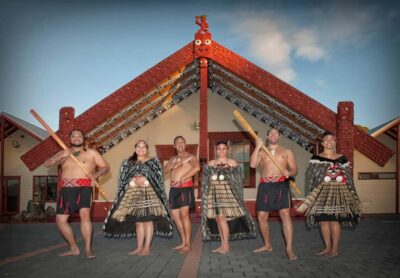
Browse the lists this tour appears in