Reviewed · TOURS
Nocturnal Wonders Tawharanui Kiwi Spotting and Stargazing Tour
At Tawharanui, the main event begins when daylight fades. You walk quietly through native bush looking for signs of North Island brown kiwis, then move to a dark park site for stars, planets, and constellations. I like the two-part night: wildlife first, skywatching second. I also like the small group of up to 10, which gives you room to ask questions instead of simply following a crowd.
The main catch is simple: kiwi spotting is wildlife watching, not a guaranteed encounter. The tour also depends on good weather, and the $93.09 price does not include camping or glamping fees if you choose to stay overnight.
Key points at a glance
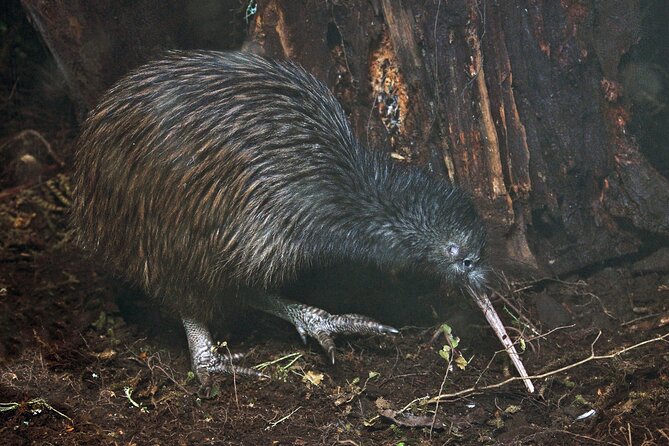
- Three kiwis are possible: One reported outing came close to three North Island brown kiwis, including one at very close range, though sightings cannot be promised.
- A true after-dark park visit: The walk focuses on nocturnal birds, insects, reptiles, and signs of kiwi activity that most daytime trips miss.
- Stargazing gear is supplied: Your guide provides telescopes and binoculars at a dark viewing site inside Tawharanui Regional Park.
- Māori astronomy adds meaning: The sky session includes indigenous stories and knowledge about stars, planets, and constellations.
- Small groups matter here: With no more than 10 people, the guide can answer questions and help the group move quietly.
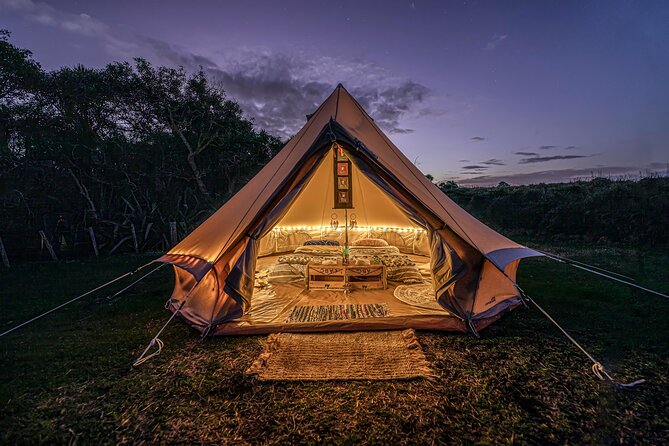
- Camping is extra: Glamping tents may extend the experience, but campsite reservations and fees are not part of the tour price.
Why Tawharanui is worth seeing after dark
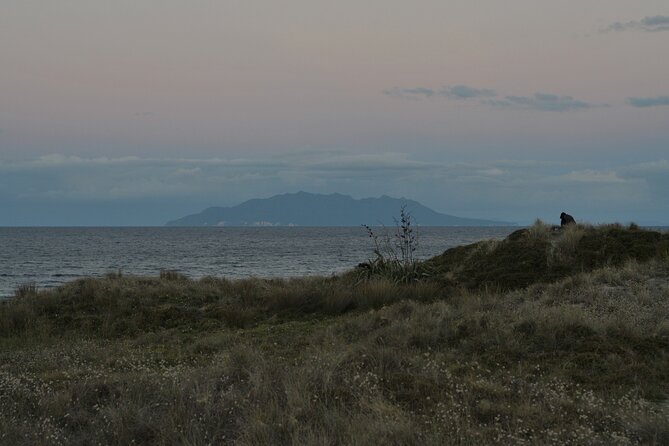
Tawharanui Regional Park is often visited for its coastal scenery and daytime wildlife. This experience takes a different route through the park’s natural world. As twilight settles, familiar tracks and bush edges take on a new purpose. You are no longer looking mainly for views. You are listening, watching, and searching for small clues.
That change in pace is the point. A daytime walk can show you the park’s plants and scenery, but night reveals animals that remain hidden during daylight. The tour focuses on nocturnal birds, insects, and reptiles, with special attention on the North Island brown kiwi.
Kiwi are the star attraction, but the value of the walk does not rest only on getting a clear sighting. Your guide helps you look for traces of activity and explains the birds as you go. That makes the outing worthwhile even if the bush stays quiet. Still, you should book with realistic expectations. A close kiwi encounter is possible, not certain.
The setting also helps. The meeting point is Tawharanui Regional Park at 1181 Takatu Road on the Tāwharaui Peninsula. The activity starts and finishes there, so you do not need to arrange a separate end point. The supplied information does not include transport from central Auckland, so plan your route to the park carefully.
Other Auckland days people weigh up against this one:
- Waiheke Island: Ferry & Hop-On Hop-Off Explorer Bus Tickets
★ 4.6 · 3,311 reviews - Hobbiton & Waitomo Caves Guided Day Trip from Auckland incl lunch
★ 5.0 · 2,677 reviews - From Auckland: Hobbiton & Waitomo Caves Day Trip with Lunch
★ 4.9 · 2,505 reviews
The twilight kiwi walk through native bush
The first part of the experience begins as daylight fades. You follow an experienced guide through the park’s native bush, moving with the quiet attention that night wildlife requires. The guide explains kiwi behavior and points out signs that may otherwise pass unnoticed.
This is not presented as a fast hike or a sightseeing loop. It is a walking search, and that makes the pace less predictable. You may stop often, listen for movement, and spend time checking likely areas. If you prefer a packed schedule with constant activity, the pauses may feel slow. If you enjoy nature watching, that slower rhythm is part of the appeal.
I like that the walk brings you close to the park’s wildlife without reducing the experience to a simple checklist. The focus is on understanding what you are looking for. You get context about kiwi, then use that information while walking through the bush.
The group size is important here. With a maximum of 10 people, the guide can keep the outing more controlled than a large coach group or general park walk. You also have a better chance to ask questions. That matters when the subject is subtle, because signs of wildlife may be easier for an experienced guide to explain than for you to spot alone.
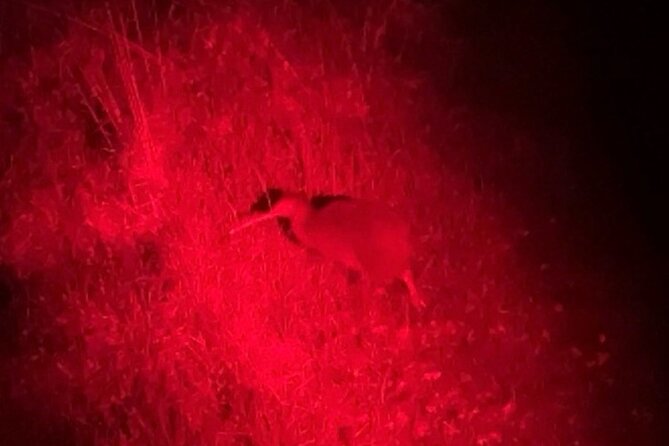
A previous outing included sightings of three kiwis, with one bird coming very close. That gives you a sense of what can happen on a successful night, but it should not become your expectation. Wildlife remains unpredictable. The best approach is to treat a kiwi sighting as a bonus within a broader night walk.
Because this is an evening activity, you should also think about comfort. The available details do not specify the walking distance, trail surface, or exact start time. You know the total experience lasts about three hours, but the precise split between the bush walk and stargazing can vary. Ask the operator if those details affect your plans.
Stargazing away from city glare
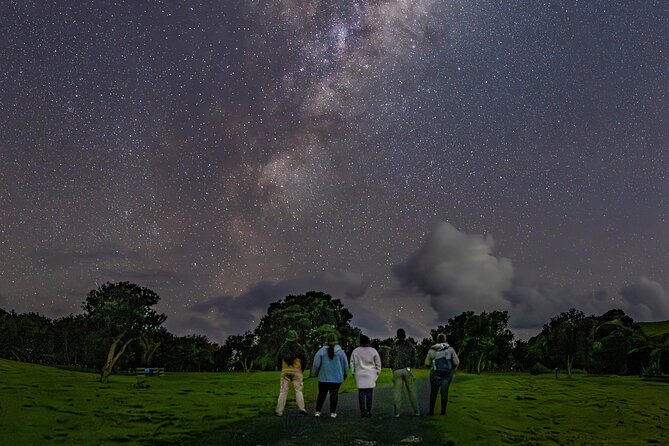
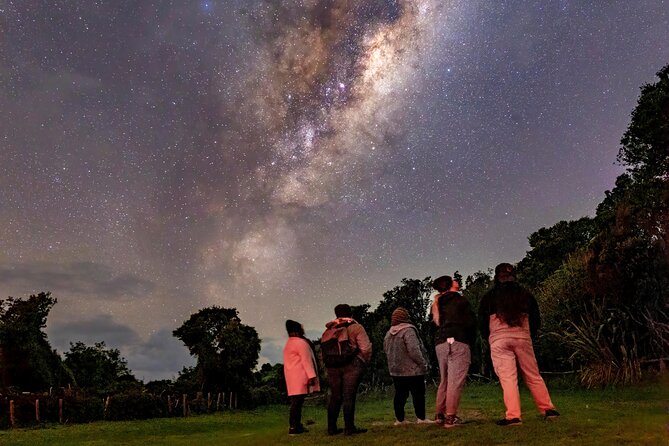
After the kiwi search, the group heads to a secluded stargazing site within the park. The location is described as being far from city lights, which gives the night sky a much better chance to show its detail than a bright urban setting.
Your guide supplies telescopes and binoculars. That is a useful inclusion because you do not need to bring specialist equipment or know how to set it up. The session covers stars, planets, and constellations, along with indigenous astronomy and its stories.
This part should suit both first-time skywatchers and people who already know a few constellations. You can look through the equipment, ask questions, and connect what you see with the stories shared by the guide. The Māori astronomy element gives the session a stronger sense of place than a generic explanation of the night sky.
The biggest variable is the weather. Clouds can limit what you see, and the operator may cancel the experience if conditions are poor. If that happens, you are offered another date or a full refund. That policy makes sense for an outdoor astronomy activity, though it means you should keep some flexibility in your schedule.
You should also avoid thinking of this as a full observatory visit. The tour is a guided outdoor stargazing session, not a formal astronomy course. The supplied equipment is telescopes and binoculars, and the session is part of a three-hour nature outing. That combination is ideal if you want wildlife and stars in one evening. It may be less suitable if your only goal is detailed astronomical observation.
What the $93.09 price really covers
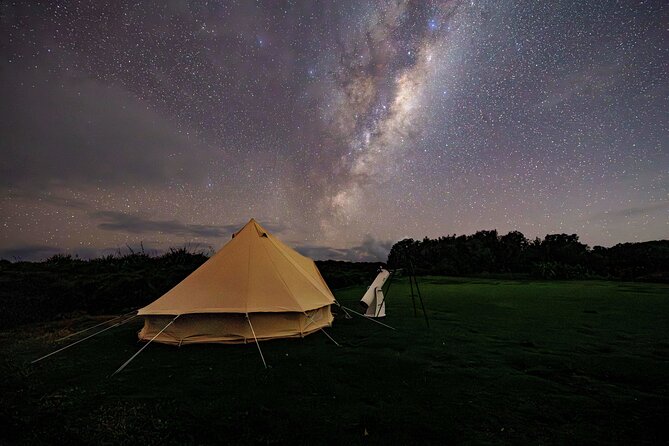
At $93.09 per person, the cost is reasonable if you value a guide-led experience and equipment in a protected natural area. You are paying for about three hours with a guide, a small group, the kiwi search, the stargazing session, and use of telescopes and binoculars.
The value improves if you would not be comfortable searching for nocturnal wildlife alone. Night walks require patience and attention, and a guide helps you understand what you are seeing. The guide also adds meaning to the stars through explanations of constellations and Māori astronomy.
The price is less attractive if you mainly want a guaranteed kiwi photograph or a long astronomy session. Neither can be promised. The kiwi is wild, and the sky depends on weather. You are buying access, interpretation, and a carefully planned night visit, not a guaranteed result.
Camping is a separate cost. You can choose to extend the outing with glamping tents, but campsite bookings and fees are not included. Treat that as an optional add-on rather than part of the $93.09 package. Confirm the arrangements before you count on staying overnight.
Same drive out of the city, a very different day:
- Auckland Dolphin and Whale Watching Eco-Safari Cruise
★ 4.5 · 1,790 reviews - Auckland: Hobbiton Movie Set Day Trip with Festive Lunch
★ 4.8 · 1,431 reviews - Hobbiton Movie Set Small Group Tour from Auckland
★ 5.0 · 1,380 reviews - Waiheke island Wine Tours – PREMIUM wine tasting MAX 11 clients !
★ 5.0 · 1,378 reviews
How the small group changes the night
A maximum of 10 people is one of the strongest practical features. Night wildlife watching works better when the group is quiet and compact. Fewer people also make it easier to hear the guide and ask about something you have just noticed.
The guide’s role is especially important because this is not a self-guided trail walk. You rely on the guide for information about kiwi activity, nocturnal wildlife, the stars, and indigenous astronomy. The experience is designed around questions and explanation, so bring the things you genuinely want to know.
A smaller group does not remove every challenge. Even with 10 or fewer people, movement and noise can affect wildlife watching. You will need to follow the guide’s instructions and accept that parts of the walk may involve waiting. That is a small price for giving the group a better chance to observe animals naturally.
The compact format also makes the experience more personal than a broad park excursion. You are not simply being shown a viewpoint. You are taking part in a focused search, then looking upward with the same guide who has just helped you read the bush.
Who will enjoy this most
I would choose this tour if you want something beyond a standard daytime park visit. It suits people who enjoy nature, photography, birdwatching, astronomy, and quiet walking. It also works well for visitors who want to add a different evening to an Auckland stay.
Families may enjoy the mix of wildlife and stars, but the supplied information does not give a minimum age, trail difficulty, or exact walking distance. If you are booking with young children, ask the operator whether the timing and walking conditions fit your group.
This is also a good choice for curious first-time visitors. You do not need to bring astronomy equipment, and the guide provides both the interpretation and the optical gear. The small group gives you a practical chance to ask basic questions without feeling out of place.
You may want a different activity if you dislike night walks, outdoor weather, or uncertain wildlife sightings. The tour can be canceled for poor conditions, and a clear sky cannot be guaranteed even when the weather allows the outing to proceed.
Timing, meeting point, and practical planning
The experience lasts about three hours. It begins and ends at Tawharanui Regional Park, 1181 Takatu Road, Tāwharanui Peninsula 0986, New Zealand. A mobile ticket is provided, and booking confirmation arrives at the time of booking.
The activity is open to most people, but the available details do not list accessibility information. The walking portion takes place through native bush, so contact the operator if you have concerns about terrain, distance, or mobility.
Plan to arrive ready for an outdoor evening. The tour depends on good weather, and the stargazing portion is especially sensitive to cloud and conditions. Since the exact meeting time is not given here, check your confirmation carefully and allow enough time to reach the park.
Free cancellation is available up to 24 hours before the start time for a full refund. Changes or cancellations made inside that 24-hour window are not accepted for a refund. If the operator cancels because of weather or because too few people book, you can choose another date or receive a full refund.
Should you book the Tawharanui night tour?
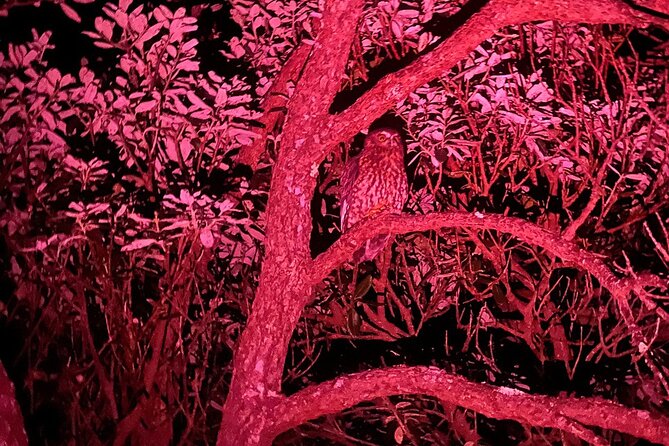
Book it if you want a small, focused nature outing that combines two experiences most day tours separate: looking for kiwi after dark and studying the stars away from city lights. The guide, supplied equipment, and Māori astronomy content give the evening more substance than a simple walk through the park.
Go in knowing that the kiwi is not guaranteed, the weather can change plans, and camping costs extra. If you accept those limits, the $93.09 price offers solid value for three hours of guided access to Tawharanui at its most unusual time of day.
I would make this a strong choice for nature lovers and first-time stargazers. I would skip it only if you need a guaranteed wildlife encounter, a fully indoor activity, or a dedicated astronomy program.
FAQ
How long does the Tawharanui kiwi and stargazing tour last?
The experience lasts approximately three hours.
Where does the tour begin and end?
It begins at Tawharanui Regional Park, 1181 Takatu Road, Tāwharanui Peninsula 0986, New Zealand, and ends back at the same meeting point.
What wildlife might I see?
The walk focuses on nocturnal birds, insects, reptiles, and the North Island brown kiwi. Kiwi sightings are possible but not guaranteed.
Is stargazing equipment provided?
Yes. The guide provides telescopes and binoculars for the stargazing session.
Does the tour include camping or glamping?
No. Glamping tents may be available as an enhancement, but campsite bookings and fees are not included.
How many people can join the tour?
The activity has a maximum of 10 travelers.
Can I cancel for a full refund?
Yes. You can cancel at least 24 hours before the start time for a full refund. If poor weather causes the operator to cancel, you are offered another date or a full refund.
Recently added around Auckland
- Waiheke Island: Gulf Marine Park Sailing Adventure & Lunch★ 5.0 · 4 reviews
- Waiheke Island: Scenic PREMIUM Wine Tour. Max 11 clients★ 4.9 · 8 reviews
- Flavours of Waiheke, wine, beer, spirits INCLUDES lunch – MAX 11★ 5.0 · 9 reviews
- Waiheke Island: Premium Vineyard, Wine Tasting and Bush Walk★ 5.0 · 4 reviews
- Waiheke Island Private Double Headland Walk★ 5.0 · 5 reviews
- Heke Brewery and Distillery Tour in Waiheke Island with samples★ 4.5 · 3 reviews
- Waiheke Island Private Art Tour★ 5.0 · 5 reviews
- Waiheke Island Private History and Heritage Tour★ 4.5 · 7 reviews
Tours, compared.
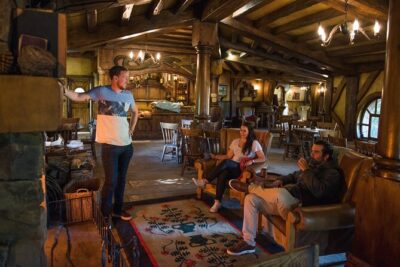
Hobbiton Movie Set Small Group Tour from Auckland
Read our review →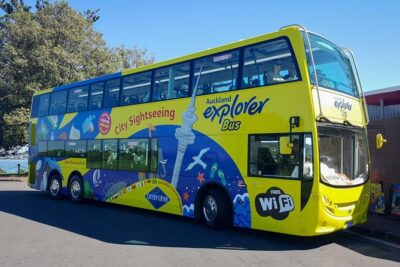
Auckland Explorer: Sightseeing Hop-on Hop-off Tour
Read our review →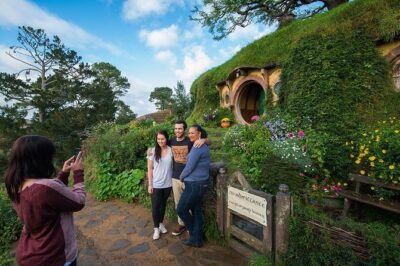
Hobbiton & Waitomo Caves Small-Group Tour W Lunch from Auckland
Read our review →
Half-day Discover Auckland City Sightseeing Tour
Read our review →
Afternoon Piha Beach and Rainforest Tour from Auckland
Read our review →