
Reviewed · AUCKLAND ADVENTURE AND THRILL EXPERIENCES
Auckland: 13000, 16000, or 18000-Foot Tandem Skydive
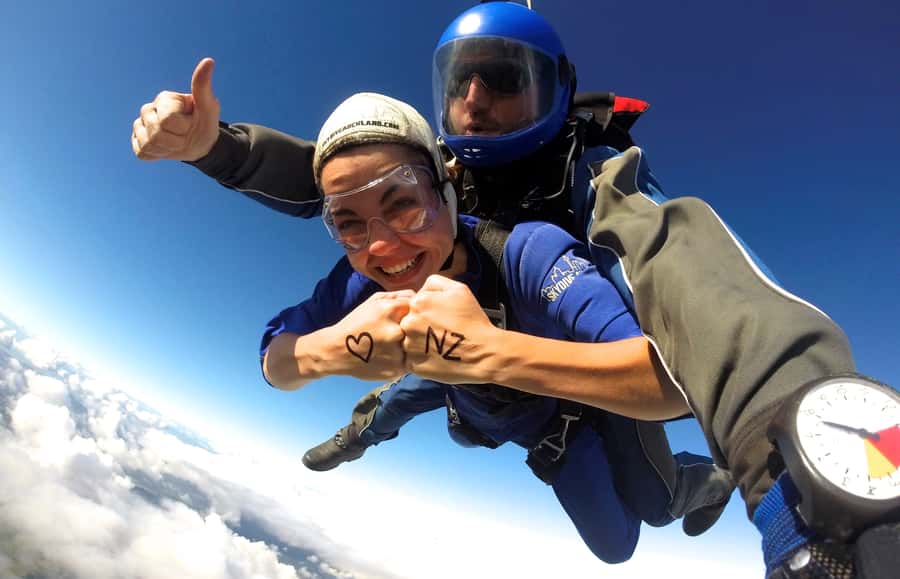
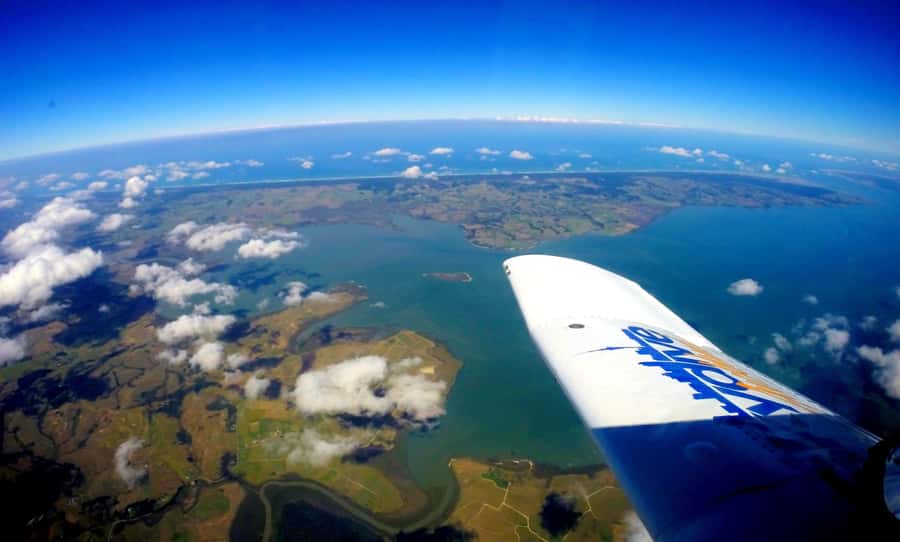
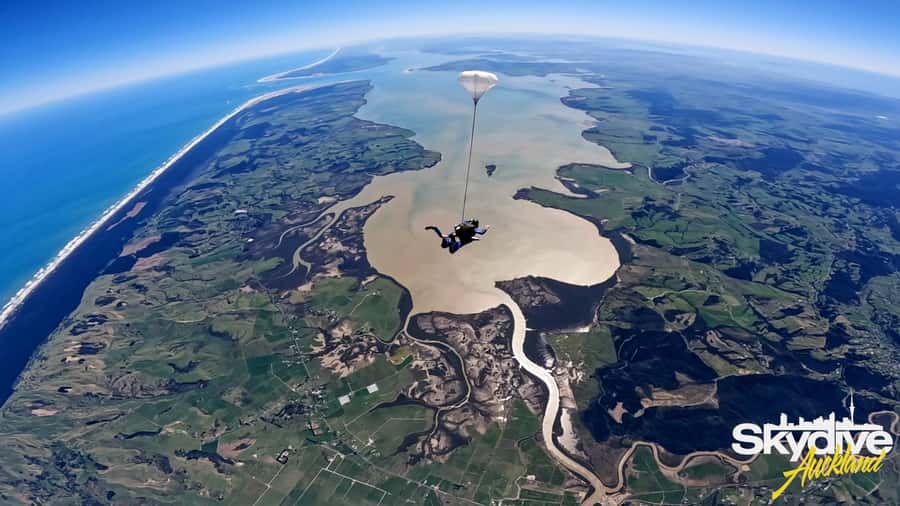
Auckland’s biggest thrill begins with a scenic flight over the North Island, then turns into up to 75 seconds of freefall at speeds reaching 200 km/h. From the higher jumps, you may see both coasts, Waiheke Island, Great Barrier Island, Mount Ruapehu, and Mount Taranaki. It is a wild way to see the region, with your attention split between the view and the fact that you are falling through the sky.
I like the choice of three heights, since you can match the price and freefall time to your nerve level. I also like the supportive staff, with instructors including Owen, Aaron, Mitch, James, and others repeatedly singled out for calming first-timers. The main drawback is weather: cloudy or windy conditions can delay your jump for hours, so do not schedule this too tightly against another activity.
Key points before you book
- Choose your freefall time: The 13,000-foot, 16,000-foot, and 18,000-foot options offer progressively longer time in the air.
- See two New Zealand coastlines: On a clear day, the views can stretch toward Waiheke Island, Great Barrier Island, Mount Ruapehu, and Mount Taranaki.
- Expect a three-hour visit: The time includes preparation, the flight up, the jump, parachute descent, and landing.
- Parakai is outside Auckland: The meeting point is about a 45-minute drive from Auckland City.
- Photos and video cost extra: You can purchase a personal package after the jump, with some packages available shortly after landing.
- Weather controls the schedule: Delays are possible, and the air can be very cold, especially near clouds at higher altitude.
From Auckland City to Parakai
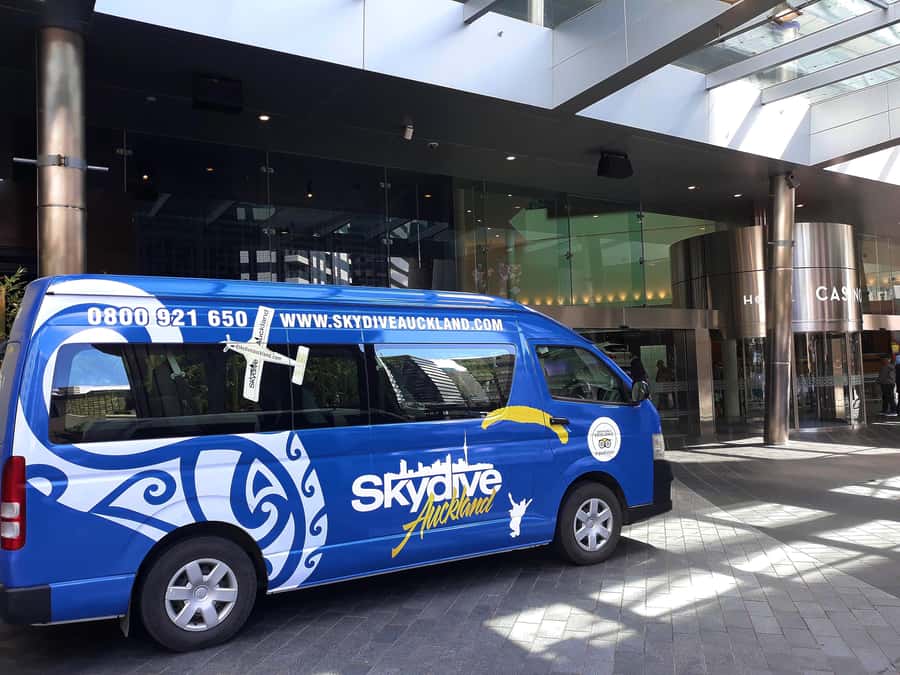
Skydive Auckland operates from Parakai, roughly 45 minutes by car from central Auckland. You meet at the Skydive Auckland center, not in the city, so allow extra time for the drive and plan your return with some flexibility.
The full visit lasts about three hours, but the clock can move around. Weather is the key variable. A morning booking may not mean a morning jump, and one scheduled 9:00 AM session reportedly shifted to around noon because of conditions. Build a spare afternoon around this activity rather than booking a museum, ferry, or restaurant reservation immediately afterward.
There are no food options or café facilities nearby at the time of the supplied information. I would eat before leaving Auckland and bring a snack and water for the wait, provided the operator allows them on site. That small bit of planning matters if clouds keep the aircraft on the ground.
The facility is wheelchair accessible, though the practical details of boarding the aircraft and taking the tandem position should be confirmed directly if you have specific mobility needs. The activity is conducted in English.
More adrenaline days in Auckland:
- Waiheke Island: Zipline and Native Forest Adventure Trip
★ 4.9 · 695 reviews - Waiheke Island: Zipline And Forest Walk
★ 5.0 · 483 reviews - Auckland: Sky Tower SkyWalk – 192m High Edge Walk
★ 4.8 · 47 reviews
Choosing 13,000, 16,000, or 18,000 feet
All three options give you the same basic format: a flight to altitude, a tandem freefall attached to an instructor, a parachute descent, and a landing. The height changes how long you fall before the parachute opens.
The 13,000-foot option is the sensible entry point if you want the experience without paying for the longest freefall. It still gives you a powerful rush, views from the aircraft, and a meaningful stretch of time in the open air.
The 16,000-foot jump gives you a middle ground. You get more freefall than at 13,000 feet without choosing the highest package. For many people, this is the practical compromise between cost, thrill, and time in the air.
At 18,000 feet, you get the longest freefall, up to 75 seconds, and the highest starting point offered here. It is also limited to people aged 12 and older. One participant described the altitude as worth the extra cost because of the views and the added time in freefall.
The price begins at $206 per person, though the supplied information does not separate the cost of each height option. Treat the headline price as a starting point and check the exact amount for your chosen altitude. Photo and video packages are additional, so include those only if you know you want a permanent record.
What happens before the plane leaves
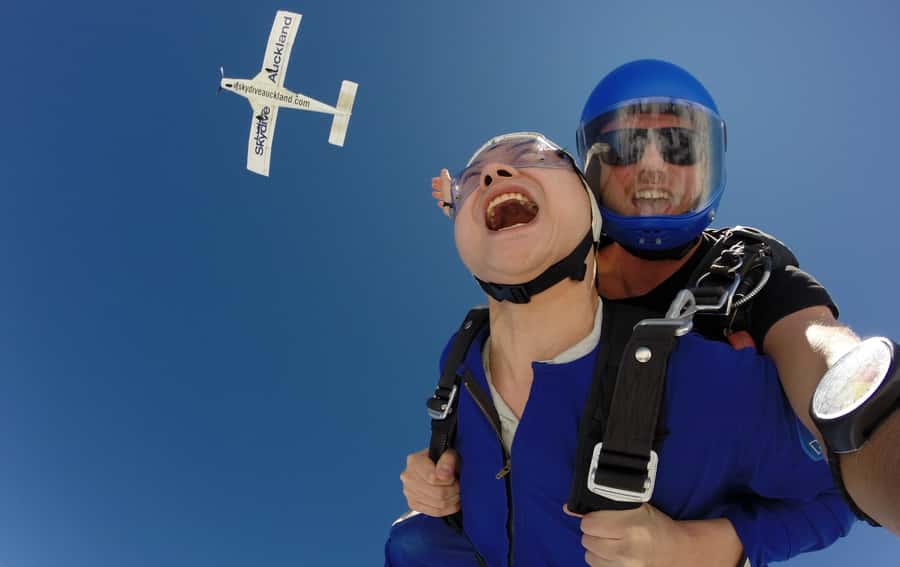
You receive the equipment and prepare for the jump with your tandem instructor. The staff explain the process and help you get ready, which is especially useful if this is your first time. You do not need previous experience.
The preparation is not just paperwork and waiting around. It is where you learn how to position your body, what to do during the freefall, and how the parachute portion will feel. The instructors also have to check the harness and equipment carefully. Several named instructors, including Owen, James, Aaron, Mitch, and Sam, have been praised for keeping nervous people calm and making the process easy to follow.
That personal contact is one of the strongest parts of the activity. You are not simply handed gear and sent toward a plane. Your instructor is attached to you throughout the jump and manages the technical work, allowing you to focus on breathing, looking around, and enjoying the view.
Wear closed shoes. Open-toed footwear is not allowed. The weight limit is 100 kilograms, or 220 pounds, and the activity is not suitable during pregnancy. Anyone under 18 must bring a parent or guardian or provide a signed waiver.
The flight up and the changing view
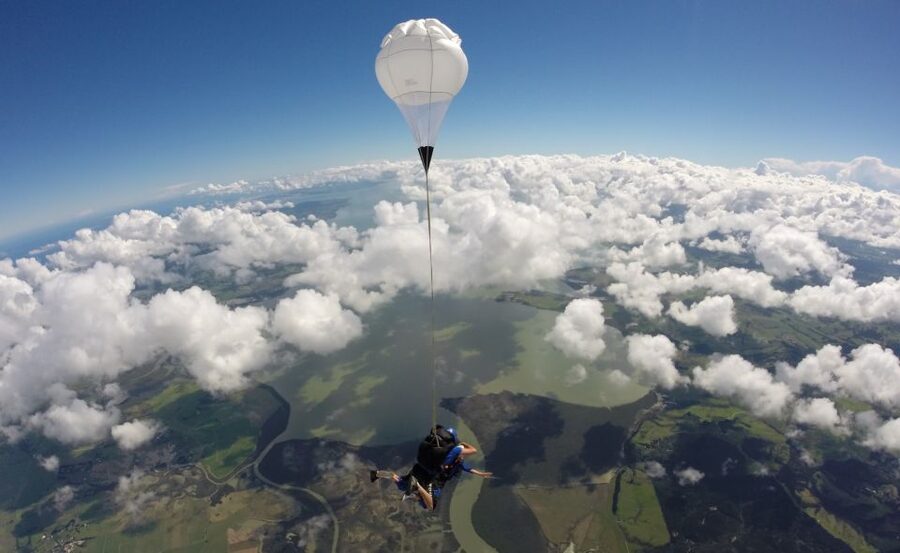
The aircraft ride gives you time to look out over Auckland before the main event begins. As the plane gains height, the coastal setting becomes easier to read. The city and shorelines spread out below, while islands and distant mountains may come into view when conditions are clear.
The exact view depends on weather and visibility, so do not treat every named landmark as guaranteed. You may see Waiheke Island, Great Barrier Island, Mount Ruapehu, or Mount Taranaki. The chance to view both New Zealand’s east and west coasts is a major reason to choose this location rather than a jump focused only on farmland or one side of a city.
At higher altitude, the air is cold. One jumper described passing through clouds with ice crystals hitting their face and temperatures below freezing inside the cloud. That is not a promise of what you will encounter, but it is a useful reminder to expect sharp cold, wind, and changing conditions.
The flight also gives you a few quiet minutes before the door opens. For many people, that may be the most tense part. Your instructor remains with you, checks the setup, and guides you toward the exit.
Same drive out of the city, a very different day:
- Waiheke Island: Ferry & Hop-On Hop-Off Explorer Bus Tickets
★ 4.6 · 3,311 reviews - Hobbiton & Waitomo Caves Guided Day Trip from Auckland incl lunch
★ 5.0 · 2,677 reviews - From Auckland: Hobbiton & Waitomo Caves Day Trip with Lunch
★ 4.9 · 2,505 reviews - Auckland Dolphin and Whale Watching Eco-Safari Cruise
★ 4.5 · 1,790 reviews
The freefall at up to 200 km/h
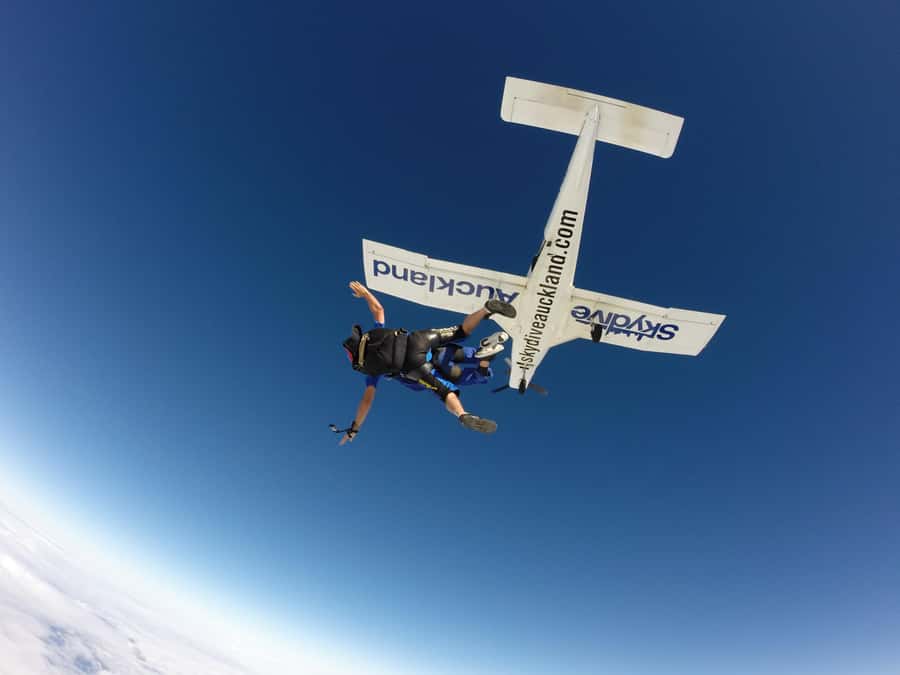
When the plane reaches your selected altitude, you and your instructor move to the door. You are secured together in a tandem harness, and the instructor controls the jump.
The initial freefall is fast and noisy. You can reach up to 200 km/h, with the air pressing hard against you. The sensation is less like calmly floating and more like being swept into the sky at full speed. You will have to trust the equipment and your instructor while trying to take in the view.
The 18,000-foot option can provide up to 75 seconds of freefall. The exact duration varies with the selected height and conditions, so the 13,000-foot jump will not provide the same time as the highest option. Still, every option delivers the central thrill.
Some instructors add turns, flips, or other movements when conditions allow. Andrew specifically credited instructors Simon and Owen with adding flips and tricks while keeping the landing safe. Do not assume every jump will include the same extras, but you can ask your instructor what may be possible.
The best practical advice is simple: listen closely to the briefing, follow the body-position instructions, and let the instructor handle the technical side. Your job is to keep your head up and look outward rather than stare at the ground.
Under the parachute and back to the viewing deck
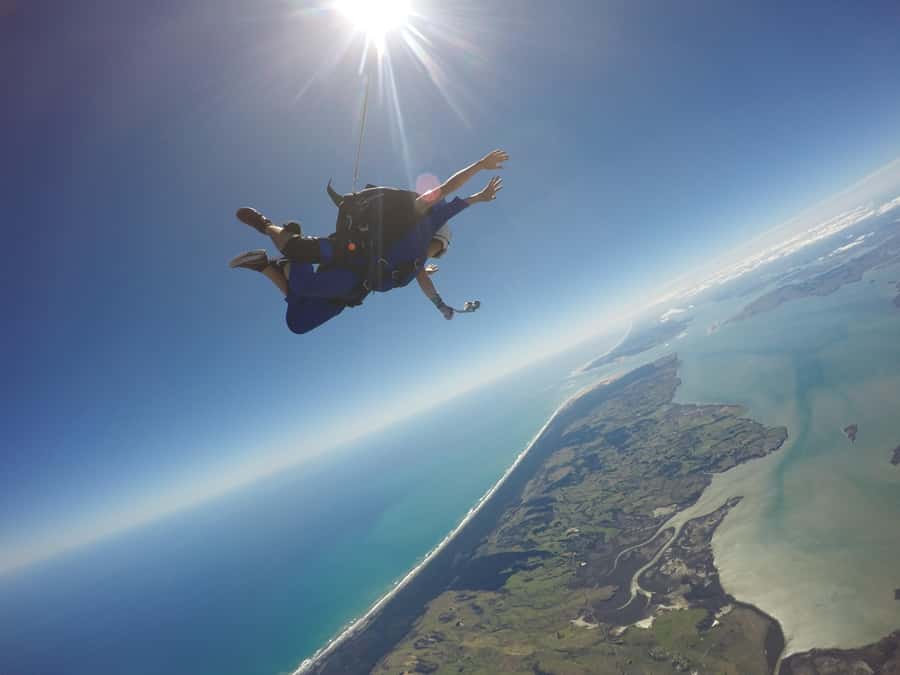
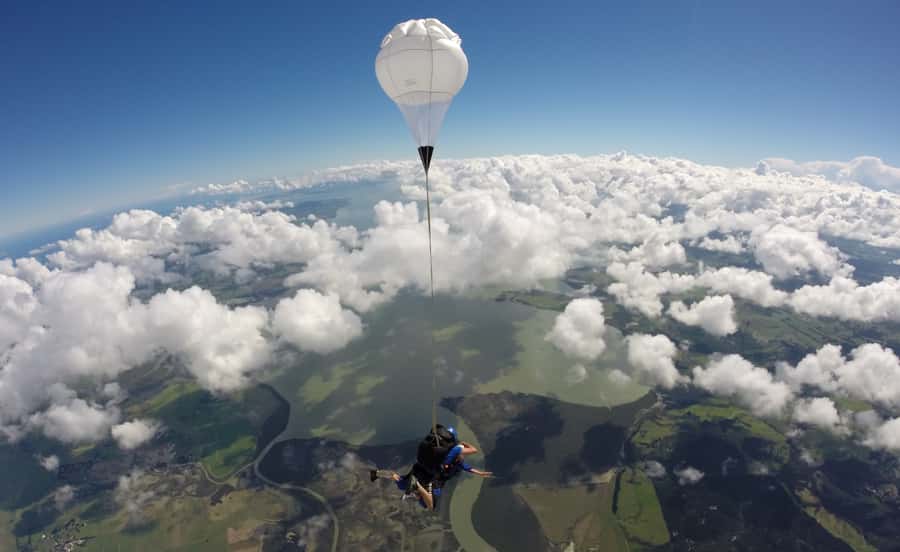
Once the parachute opens, the character of the experience changes completely. The noise and speed give way to a slower descent, with time to look around in every direction.
This is when the geography becomes easier to appreciate. You may have a chance to identify coastlines, islands, and distant volcanic peaks without the blur of freefall. The parachute stage also gives you a calmer finish after the rush at the aircraft door.
Your instructor manages the descent and landing. The support crew waiting on the ground can watch from a viewing deck positioned near the landing area. That makes this a good choice if friends or family want to come along without jumping themselves.
After you land, the experience is not quite over. You can purchase a one-on-one photo and video package, sold separately on the day. One package buyer reported receiving the files within about 15 minutes of landing, though delivery timing can vary.
Are the photos and video worth the extra cost?
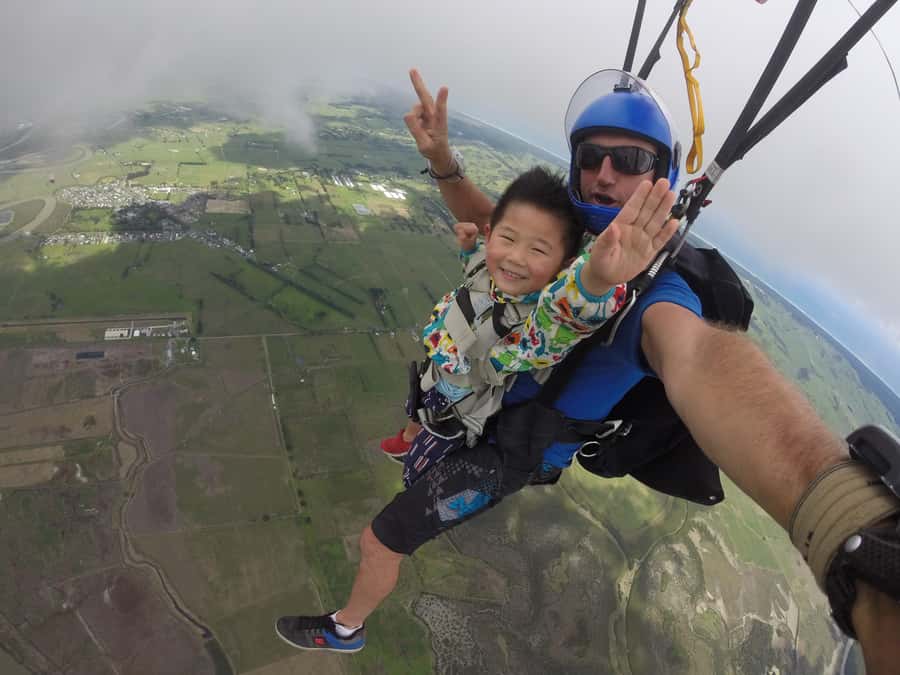
The supplied price covers the jump and equipment, not the media package. That distinction is important. A tandem jump happens quickly, and you may remember the freefall in fragments, so photos and video can be valuable if you want to share the moment or keep a record.
The personal package is more useful than relying on a friend at the viewing deck. A support person can watch your landing, but they cannot capture the entire flight, exit, freefall, parachute descent, and landing from your point of view.
I would decide before arriving how much you care about having proof of the jump. If the jump is a birthday gift, a major milestone, or a once-only event, the extra cost may feel worthwhile. If you mainly want the experience itself, skip the add-on and enjoy the day without another purchase.
What the staff do well
The most consistent strength is the human side of the operation. First-time jumpers repeatedly describe the staff as friendly, reassuring, professional, and efficient. That matters because the waiting period and the aircraft exit can be intimidating even for people who feel brave on the ground.
Several instructors receive personal praise. Owen is described as confident and calming. Aaron helped nervous jumpers feel secure. Mitch took careful care of a first-timer, and James was thanked for making the experience comfortable. Erin, Sam, Simon, and others also received specific praise for support and safe handling.
I would not assume you can request a particular instructor, but these names give you a sense of the team’s role. Your instructor is not just there to attach the harness. That person explains the process, manages the equipment, controls the descent, and helps you enjoy the moment rather than freeze in fear.
The operation also appears to move efficiently when weather cooperates. One participant said the preparation and boarding happened with very little waiting. That is good news, though it should not be confused with a guarantee of a fast schedule on a cloudy day.
The drawbacks to plan around
Weather is the main weakness, and it is unavoidable in an outdoor aircraft activity. Low cloud, poor visibility, and wind can postpone the jump. A delay can test your patience, especially if you have not eaten and have another booking later.
The air may also be colder and harsher than expected. At 18,000 feet, conditions near clouds can include freezing air and ice crystals. Dress sensibly for the ground, but understand that the operator’s equipment and the jump itself determine what you can wear in the air.
The location outside Auckland adds travel time. Parakai is reachable by car in about 45 minutes from the city, but the activity is not a quick central-city attraction. Add the drive in both directions and the three-hour visit to your day.
Finally, the $206 starting price is not the complete cost if you want photos or video. The jump itself is a substantial purchase, but the chance to see both coasts and spend up to 75 seconds in freefall gives the price real value for an adventure-focused itinerary. Check the exact altitude price and media cost before booking.
Who should book this tandem jump?
I would recommend it to you if you want a major Auckland thrill, have a flexible half-day, and are willing to let weather dictate the schedule. It suits first-timers because the instructor handles the jump and the staff provide detailed preparation.
The 18,000-foot option is best for people who want the longest freefall and are happy to pay more for extra time. The 13,000-foot jump makes more sense if you want the experience but are watching your budget. The 16,000-foot option sits between those choices.
I would think twice if you dislike heights, cannot accept a possible delay, need a guaranteed finish time, or are close to the 100-kilogram limit. Pregnant people cannot participate, and open-toed shoes are not permitted.
Cancellation is free up to 24 hours before the activity, and you can reserve now and pay later. Those policies help if your New Zealand plans are still moving around, but they do not remove the need to check the weather forecast and leave room in your schedule.
Should you book Skydive Auckland?
Book it if you want a serious rush paired with broad North Island views, not a gentle sightseeing flight. The supportive instructors are the strongest reason to feel confident as a beginner, while the three height choices let you control the amount of freefall and spending.
My pick would be 16,000 feet for balance, or 18,000 feet if this is a bucket-list event and the extra cost fits your budget. Eat beforehand, wear closed shoes, keep your afternoon open, and decide about photos and video before you arrive. If you can accept the weather risk, this is one of Auckland’s most memorable ways to see the region from above.
FAQ
Where does the Auckland tandem jump take place?
You meet at Skydive Auckland in Parakai on New Zealand’s North Island. The center is about a 45-minute drive from Auckland City.
How long does the activity last?
The activity lasts about three hours. Starting times vary, so check availability when booking.
How high can I jump from?
You can choose a 13,000-foot, 16,000-foot, or 18,000-foot tandem jump, depending on the option you book.
How long is the freefall?
The freefall lasts up to 75 seconds. The exact time depends on the altitude option selected.
How fast do you travel during freefall?
You can reach speeds of up to 200 kilometers per hour.
What can I see during the jump?
Depending on visibility, you may see Auckland’s coastal areas, both the east and west coastlines, Waiheke Island, Great Barrier Island, Mount Ruapehu, or Mount Taranaki.
Is there a weight limit?
Yes. The limit is 100 kilograms, or 220 pounds.
Can children participate?
There is no general age limit, but anyone under 18 must bring a parent or guardian or provide a signed waiver. The 18,000-foot option is limited to people aged 12 and older.
Are photos and video included?
No. Photo and video packages are available to purchase separately on the day.
Recently added around Auckland
- Waiheke Island: Gulf Marine Park Sailing Adventure & Lunch★ 5.0 · 4 reviews
- Waiheke Island: Scenic PREMIUM Wine Tour. Max 11 clients★ 4.9 · 8 reviews
- Flavours of Waiheke, wine, beer, spirits INCLUDES lunch – MAX 11★ 5.0 · 9 reviews
- Waiheke Island: Premium Vineyard, Wine Tasting and Bush Walk★ 5.0 · 4 reviews
- Waiheke Island Private Double Headland Walk★ 5.0 · 5 reviews
- Heke Brewery and Distillery Tour in Waiheke Island with samples★ 4.5 · 3 reviews
- Waiheke Island Private Art Tour★ 5.0 · 5 reviews
- Waiheke Island Private History and Heritage Tour★ 4.5 · 7 reviews
Auckland Adventure and Thrill Experiences, compared.
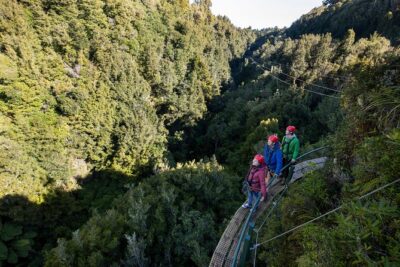
The Ultimate Canopy Zipline Experience Private Tour From Auckland
Read our review →
Browse the lists this tour appears in